The Classic Vibe 60s Jazzmaster brings the offset's warm, mellow voice to an affordable price point, poplar body and Indian laurel board rather than the alder and rosewood of pricier Jazzmasters.
14 mods reviewed: 6 drop-in, 2 need verification, 6 need modification.
Drop a hero product shot
Shop this guitar
Places we know sell the Squier Classic Vibe 60s Jazzmaster.
We may earn a commission if you buy through links on this page. It doesn't change the price you pay. How we make money
The Classic Vibe 60s Jazzmaster brings the offset's warm, mellow voice to an affordable price point, poplar body and Indian laurel board rather than the alder and rosewood of pricier Jazzmasters. It shares the Jaguar/Jazzmaster floating bridge family, not compatible with Strat, Tele or Mustang parts. Squier's version of vintage-style hardware has a track record of not matching true vintage-spec parts, worth checking before assuming a genuine vintage Jazzmaster part will fit.
Not published by Squier: tuner hole size and bridge mounting spacing. Measure these before buying tuners or a bridge.
Watch out
Bridge string spacing on this model is genuinely disputed, not just unpublished. Classic Jazzmaster and Jaguar lore puts the vintage-style floating bridge at roughly 55mm to 56mm, which is why purpose-built offset replacement bridges from Mastery and Staytrem are cut narrower at 52mm to stop the outer E strings running close to the fretboard edge. At least one owner report claims this guitar actually ships with something closer to the narrower 52mm spec already, which would be unusual for the line and is not corroborated by Fender's own spec sheet or by other teardown threads. Measure your own bridge before buying a spacing-specific part.
Mixed reports on fit. Confirm your bridge's actual string spacing before buying one of these.
▶Why we say this
Common complaint in Jazzmaster/Mustang crossover threads is 55.5mm spacing running the E strings close to the fretboard edge. Given the unresolved stock spacing question, this is a genuine "it depends" case.
Should fit the existing bridge posts. Whether it changes your string spacing depends on what your guitar shipped with, worth checking before you buy if that matters to your setup. No thimble replacement or body work needed, but Staytrem make it in two fingerboard radii, so order the one that matches your neck.
▶Why we say this
Fits the same 2-post mounting as the Mastery. The open question is whether this changes actual string spacing meaningfully versus stock, given the unresolved factory-spacing question.
This is the standard cure for offset bridge rattle and wandering saddles, and it works regardless of the string spacing question on this guitar, because it mounts on the posts rather than to a spacing. It is not a bolt-on though. The bridge sits on Mastery's own thimbles, so the ones pressed into your guitar have to come out first. Mastery rate that as an easy job on this model, but buy the version that comes with thimbles and get a tech to fit them if you are not confident.
▶Why we say this
Mastery's own fitment guide specifies the M1-KIT for this guitar, not the bare M1 bridge, because the bridge seats on Mastery's own vintage-spec MT thimbles rather than the factory ones. The bare M1 is only correct for American-made Fender offsets built before 2013. Mastery describe the thimbles on this particular model as fairly easy to replace, which is a lighter job than the Mexican-built offsets where they also advise opening the body holes with a 3/8 inch bit, but the thimbles still have to be pressed out and replaced, so this is body-side fitting work rather than a post-for-post swap. Mastery recommend a luthier for anyone not confident pulling thimbles. Mounting post spacing itself is not the issue and is unaffected by this guitar's disputed string spacing figure. Verified against masterybridge.com, September 2026.
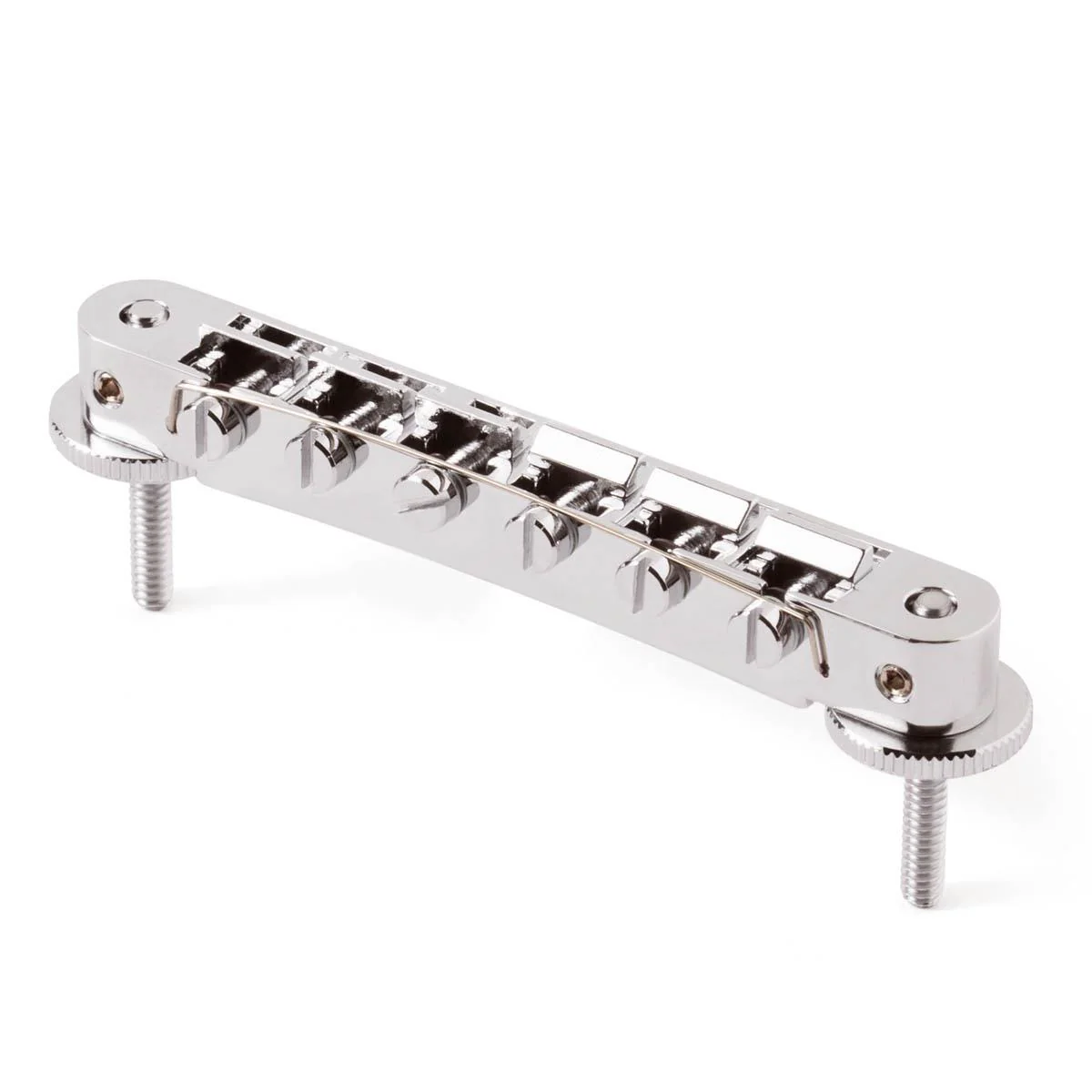
This swaps just the bridge for a fixed Tune-o-matic, the same setup the factory J Mascis Jazzmaster uses. Your existing floating tailpiece stays, only new bridge post holes are needed.
▶Why we say this
This is the same style of conversion the factory J Mascis Jazzmaster ships with, a fixed Tune-o-matic bridge in place of the stock floating bridge, with the guitar's own floating tailpiece kept in place rather than replaced. Doing this on a standard Jazzmaster means drilling new bridge post holes, since a TOM bridge has an entirely different post pattern.
Matches the shape of the stock pickups, this is not the same as a Strat or Tele single-coil, so don't try to swap in one of those instead.
▶Why we say this
Jazzmaster pickups are a distinct "horseshoe" shape and route, not interchangeable with a Strat or Tele single-coil. Fits the existing Jazzmaster route.
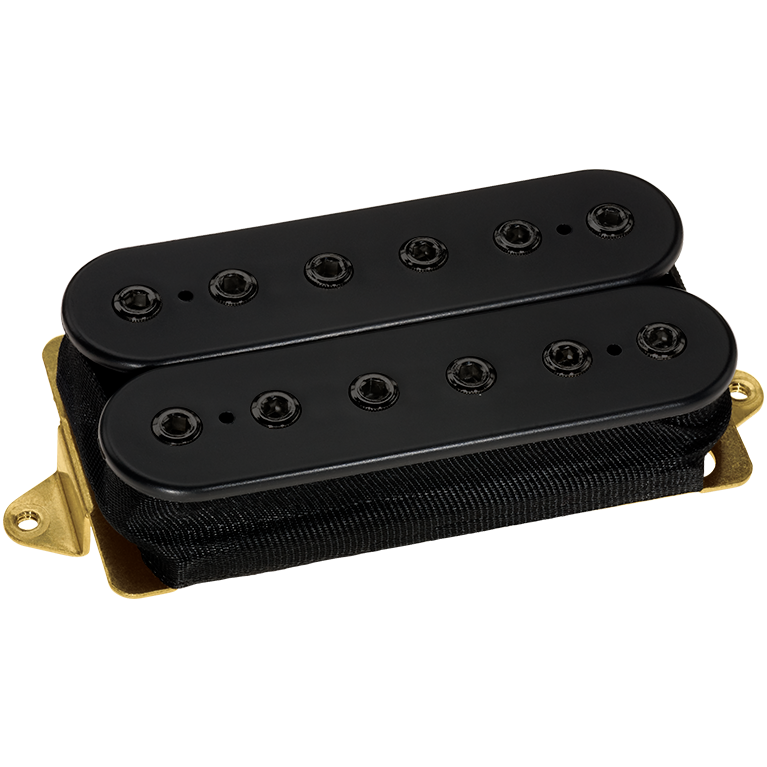
Same routing requirement as the Seymour Duncan JB SH-4 and DiMarzio PAF Pro humbuckers linked on this guitar, a hand-wound alternative for players after a more traditional voicing.
▶Why we say this
A hand-wound standard-size Gibson-spec humbucker. This guitar's pickup route is a Jazzmaster-specific single-coil slot, not a full humbucker route, so this and the Seymour Duncan JB SH-4 and DiMarzio PAF Pro humbuckers linked on this guitar all need the same routing work to fit.
This is a full-size humbucker, so it needs the pickup cavity routed larger to fit. Bigger job than a straight solder swap.
▶Why we say this
A standard Gibson-spec humbucker, so it fits the cavity once enlarged from this guitar's stock single-coil route. Sometimes called Jazzblastering in offset-guitar forums, this is a full body route job, not a solder-only swap.
An easy, reversible fix for string buzz behind the bridge. Doesn't require any other changes.
▶Why we say this
Universal accessory for the Jazzmaster/Jaguar bridge design, addresses the shallow string break angle behind the bridge, doesn't touch the spacing question at all.