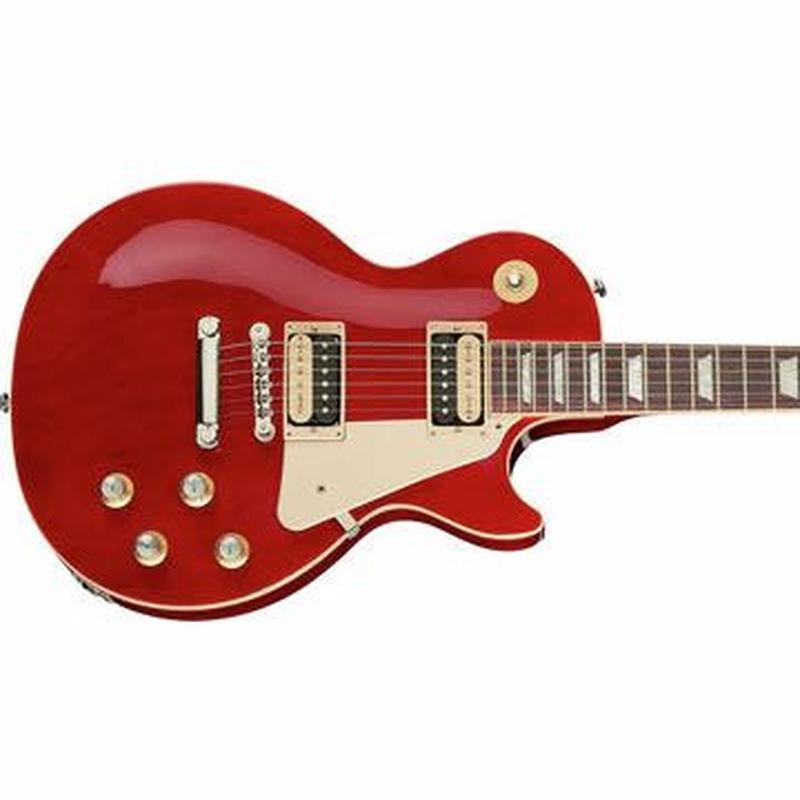
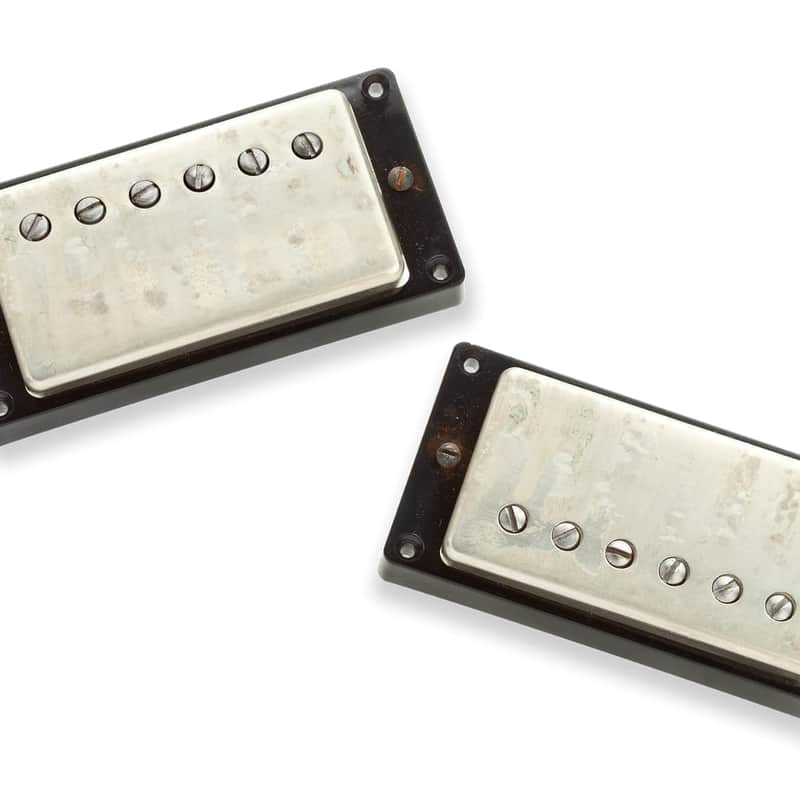
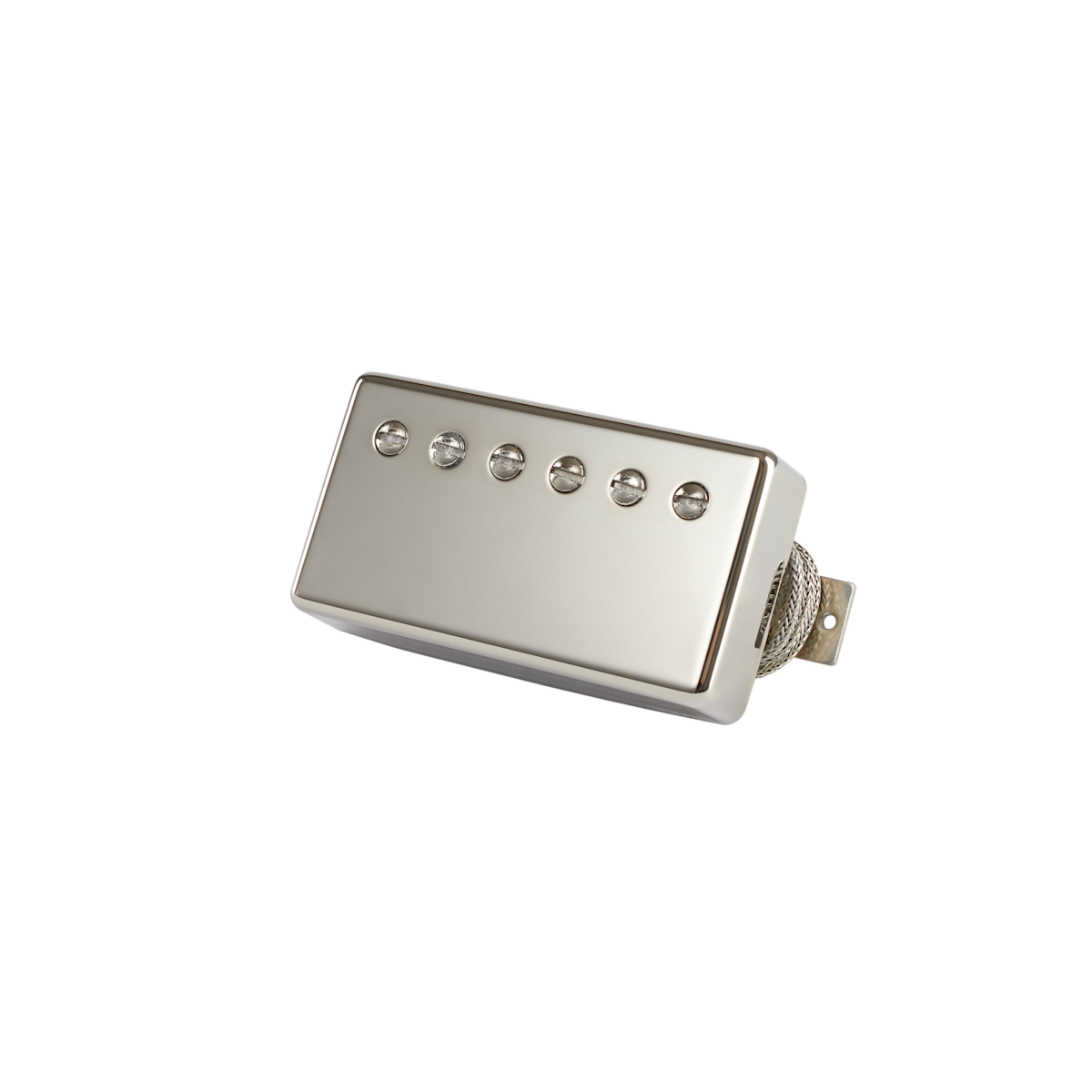
The Les Paul Classic sits closer to a vintage-spec 'Burst than the Standard 50s or 60s, a slimmer 60s-style neck profile and open-coil-look Burstbucker 61R/61T pickups voiced to split the difference between the two eras.
19 mods reviewed: 11 drop-in, 2 need verification, 5 need modification, 1 not compatible.
The Les Paul Classic sits closer to a vintage-spec 'Burst than the Standard 50s or 60s, a slimmer 60s-style neck profile and open-coil-look Burstbucker 61R/61T pickups voiced to split the difference between the two eras. It uses an ABR-1 bridge and aluminum stop bar, the narrower vintage-correct post spacing, not the wider Nashville spec found on most current Epiphones.
Quick facts
Tailpiece
Aluminum Stop Bar
String spacing
52mm (2.05")
Scale length
24.75" (629mm)
Tuner hole size
10mm (25/64")
Not published by Gibson: bridge mounting spacing. Measure this before buying a bridge.
We may earn a commission if you buy through links on this page. It doesn't change the price you pay. How we make money
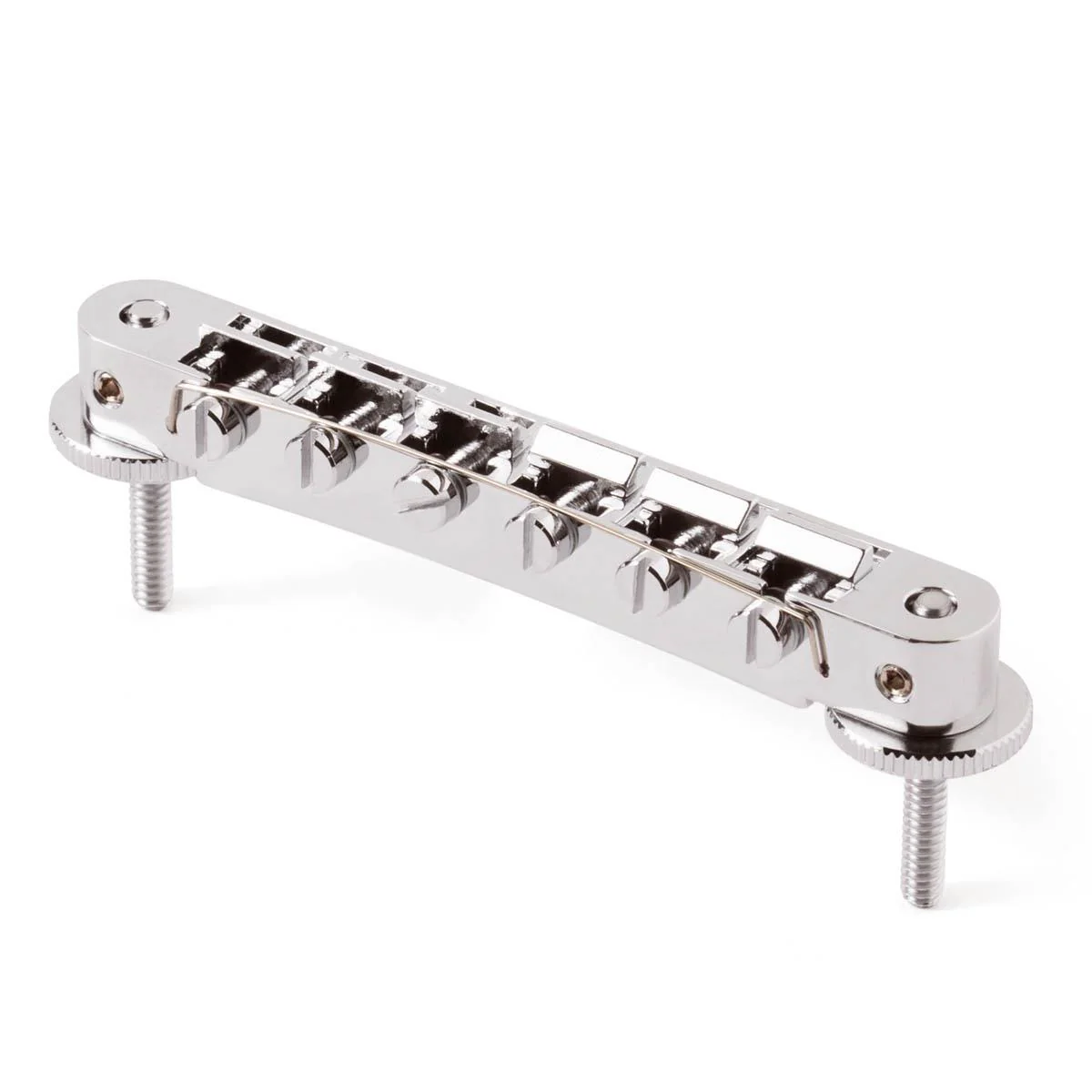
A locking version of this guitar's vintage-spec ABR-1 bridge, no more strings falling out of the saddle slots.
▶Why we say this
TonePros builds the AVR2 specifically for ABR-1 vintage-spec spacing, matching this guitar's bridge exactly. A locking, tool-free-height-adjustment upgrade over the stock non-locking ABR-1.
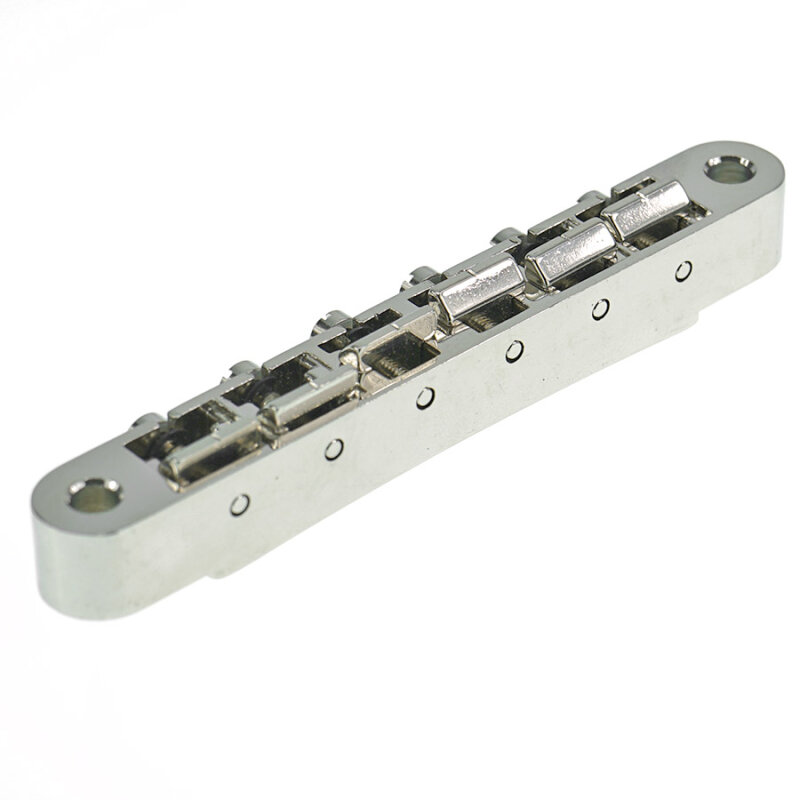
This bridge uses metric threads, not the inch threads on genuine vintage Gibson hardware. Sources disagree on whether it drops straight in or needs different posts. Worth checking your bridge's thread type before ordering.
▶Why we say this
Gotoh's GE104B uses M4 metric threaded posts, not the 6-32 inch threads genuine vintage Gibson ABR-1 hardware uses. Retailer listings for this exact bridge genuinely disagree on whether it's a direct fit for post-2017 Gibson ABR-1 guitars: some describe it as a straight drop-in replacement for Gibson or Epiphone ABR-1-style bridges, others explicitly state it is not a direct replacement for Gibson ABR-1 bridges. This guitar's bushing thread type has not been independently confirmed against either claim.
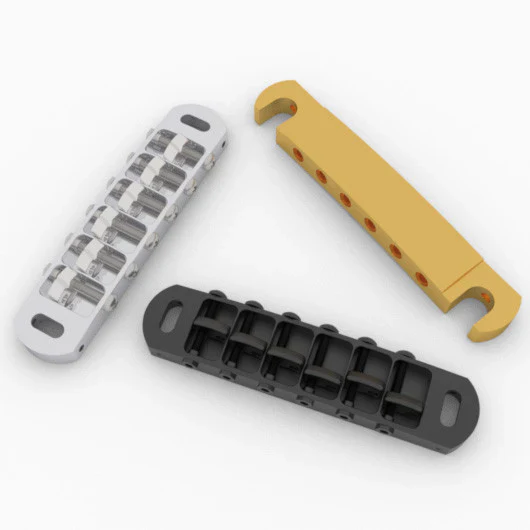
Tune-o-Matic saddle sets are matched to the exact bridge, not universal. Check the underside of your bridge for a stamp (or compare against Graph Tech's fitment guide) before buying, to confirm which saddle set is right for your guitar.
▶Why we say this
Graph Tech TUSQ saddle sets are matched to a specific bridge stamp, not universal across Tune-o-Matic bridges (confirmed via Graph Tech's own fitment guide). This guitar's exact bridge stamp has not been checked against Graph Tech's fitment chart, so the correct SKU is not yet confirmed. Sources genuinely conflict on this guitar's bridge. Its published spec says ABR-1, while the broader evidence for current-production non-Historic Les Paul Classic guitars points to a Nashville-spec bridge instead. Graph Tech match their saddle sets to the exact bridge, so no SKU is assigned to either spec while that conflict stands. Measure the post spacing on your own guitar before buying saddles for it.
This is built for the wider Nashville spacing, not the vintage-correct spacing this guitar uses. New post holes would be needed to fit it.
▶Why we say this
This is Faber's wider Nashville-spec bridge, and this guitar uses the narrower vintage-correct ABR-1 post spacing. Fitting a Nashville bridge means new, wider-spaced post holes.
This bridge is built for the Nashville-style bridge mount, not the ABR-1 mount on this guitar. Would need post/bushing changes, not a straight drop-in.
▶Why we say this
Hipshot's Tone-A-Matic is built for the Nashville/import-style non-vintage TOM mounting, not true inch-thread ABR-1 hardware found on this Gibson. Post spacing and thread differ between the two systems.
Fits the standard humbucker route. A vintage-voiced, aged alternative to the stock pickups. Needs soldering.
▶Why we say this
Standard humbucker route and mounting, consistent with this guitar's factory humbucker cavity. A vintage-voiced alternative to the stock pickups, aged and lower output rather than a modern hot-output design.
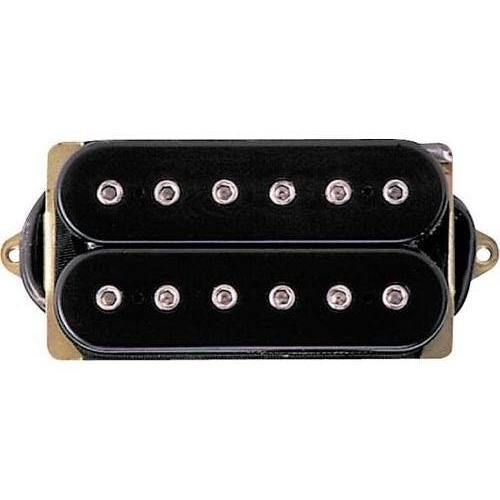
Fits the standard humbucker route. A higher-output alternative to the stock pickups for pushing an amp into natural overdrive. Needs soldering.
▶Why we say this
Standard humbucker route and mounting, consistent with this guitar's factory humbucker cavity. A long-established high-output ceramic-magnet alternative to the stock pickups, aimed at players who want more push into natural amp overdrive.
Fits the standard humbucker route the stock pickups already sit in. You will need to solder it in.
▶Why we say this
Standard humbucker route, the same footprint the stock Burstbucker 61R/61T pickups already sit in. A higher-output alternative from the same manufacturer family as the stock pickups.
Fits the standard humbucker route. A classic PAF-style tone option that suits this guitar's vintage-voiced character. You will need to solder it in.
▶Why we say this
Standard humbucker route. A well-known PAF-style reproduction, a common choice for players chasing vintage Burst tone specifically on a guitar already built around that voicing.
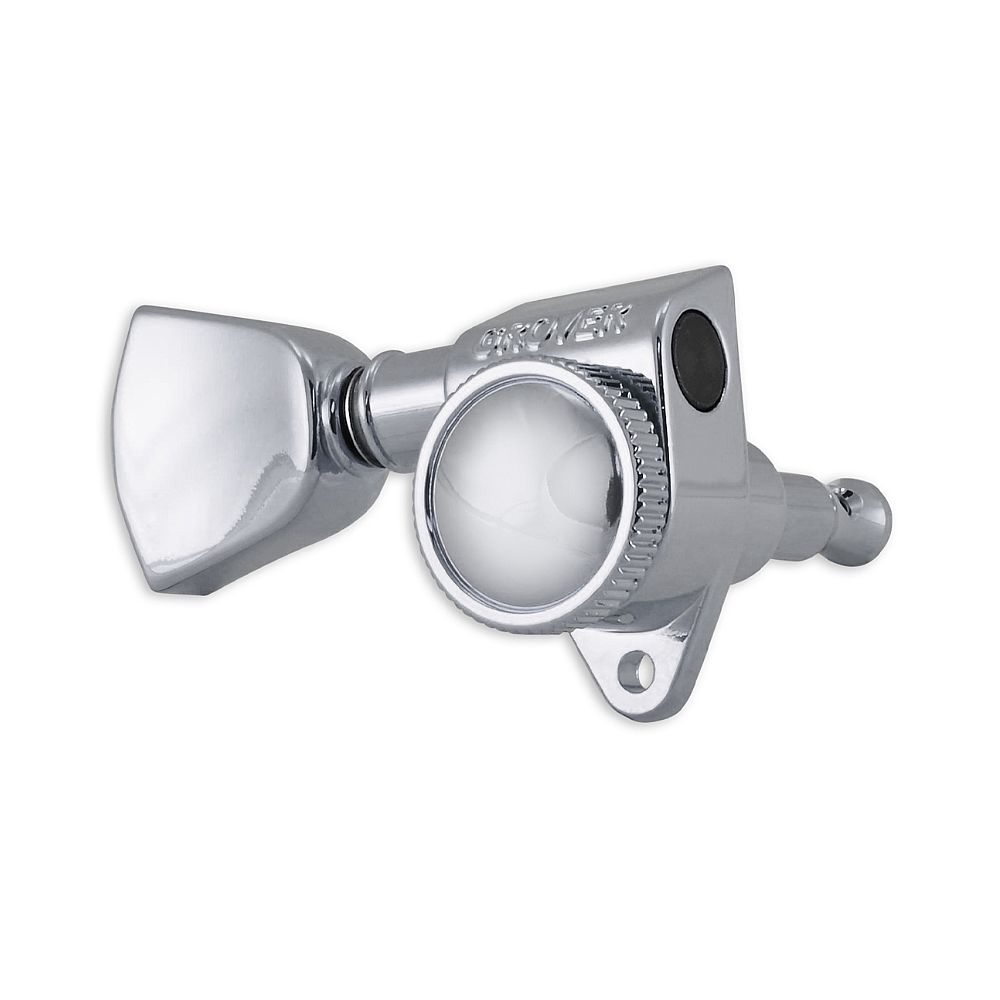
Kluson's Revolution uses a screw-in bushing sized for 10mm holes, which is what this guitar has. No reaming needed.
▶Why we say this
Standard Gibson 3-per-side headstock drilled at 10mm. Kluson's Revolution uses a screw-in hex bushing built for a 10mm peghole, so it threads into the existing holes.
These are sized for smaller, vintage-style tuner holes. This guitar's holes are the larger modern size, so a bushing adapter is needed for a solid fit, not a straight swap.
▶Why we say this
This guitar's tuner holes are confirmed at 10mm, the modern size, not the smaller 8.5mm vintage bore these Klusons are built for. Installing a smaller-post vintage tuner into a larger modern hole leaves it loose without a bushing adapter to take up the gap.
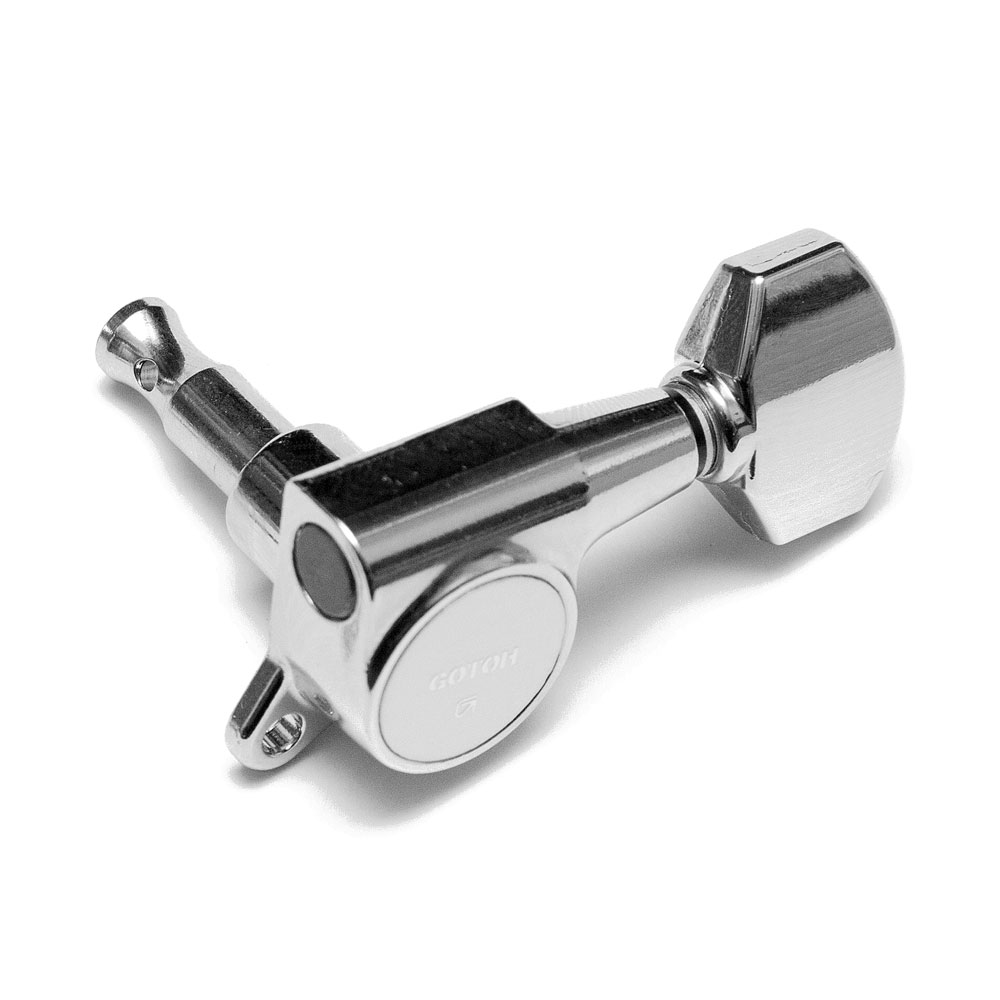
This tuner is sized for vintage tuner holes, not the modern holes on this guitar. You'll need Gotoh's conversion bushings, sold separately, to fit it.
▶Why we say this
This tuner is vintage-hole spec (8.73 to 8.8mm), not the modern 10mm hole this guitar actually has. Gotoh sells conversion bushings separately for exactly this situation. Not a direct swap, but not a drilling job either, it is a bushing change.
Same Bigsby vibrato, but mounted with an adapter that uses your existing bridge screws, no drilling and fully reversible.
▶Why we say this
The Vibramate V7-LP adapter uses the existing stop-bar bushings and strap-pin hole rather than new holes, per Vibramate's own spec, the same standard stopbar spacing this guitar uses. Fully reversible.